Dart Foreach Async
Dart Foreach Async. See the asynchronous programming codelab for details. Dart comments usually start with //. Besides showing an anonymous function (the argument to where()), this code shows that you can use a function as an argument: Applies the specified function on every map entry. Api docs for the future class from the dart:async library, for the dart programming language.

Mais legal 5 Different Ways To Iterate Through A Dart Map Codevscolor
Json.decode returns a dynamic type, which is probably not very useful. Our application should be able to insert a row into the database, query rows, update a row or delete a row based on the required fields provided. The dart language supports asynchronous coding using keywords such as async and await. In other words, foreach enables iterating through the map's entries. You should describe each entity as a dart class with fromjson and tojson methodsCalling f must not add or remove keys from the map.
Feb 27, 2019 · old answer. Extension extendediterable on iterable { /// like iterable.map but the callback has index as second argument iterable mapindexed(t function(e e, int i) f) { var i = 0; Besides showing an anonymous function (the argument to where()), this code shows that you can use a function as an argument: A stream is a way to get a sequence of values, such as events. Read more about functions in dart, including optional parameters, default parameter values, and lexical scope.

Extension extendediterable on iterable { /// like iterable.map but the callback has index as second argument iterable mapindexed(t function(e e, int i) f) { var i = 0; Feb 27, 2019 · old answer. It is originally developed by google and later approved as a standard by ecma. In other words, foreach enables iterating through the map's entries. Api docs for the future class from the dart:async library, for the dart programming language. You don't always need to use the future or stream apis directly. Use case we maintain a car database where each car has an id, name and number of miles driven. I've split the code into different files and reduced the homepage body into several methods to make it more maintainable/readable for myself and i figured it would be worth sharing.

Api docs for the future class from the dart:async library, for the dart programming language. Read more about functions in dart, including optional parameters, default parameter values, and lexical scope. Calling f must not add or remove keys from the map.. Flutter sqlite tutorial in this tutorial, we shall learn basic sqlite operations with the help of a complete flutter application.

Applies the specified function on every map entry... Read more about functions in dart, including optional parameters, default parameter values, and lexical scope. You should describe each entity as a dart class with fromjson and tojson methods Syntax map.foreach(void f(k key, v value)); Json.decode returns a dynamic type, which is probably not very useful. I'm learning flutter and was looking for a searchable list which @vinoth kumar example does perfectly.. Calling f must not add or remove keys from the map.
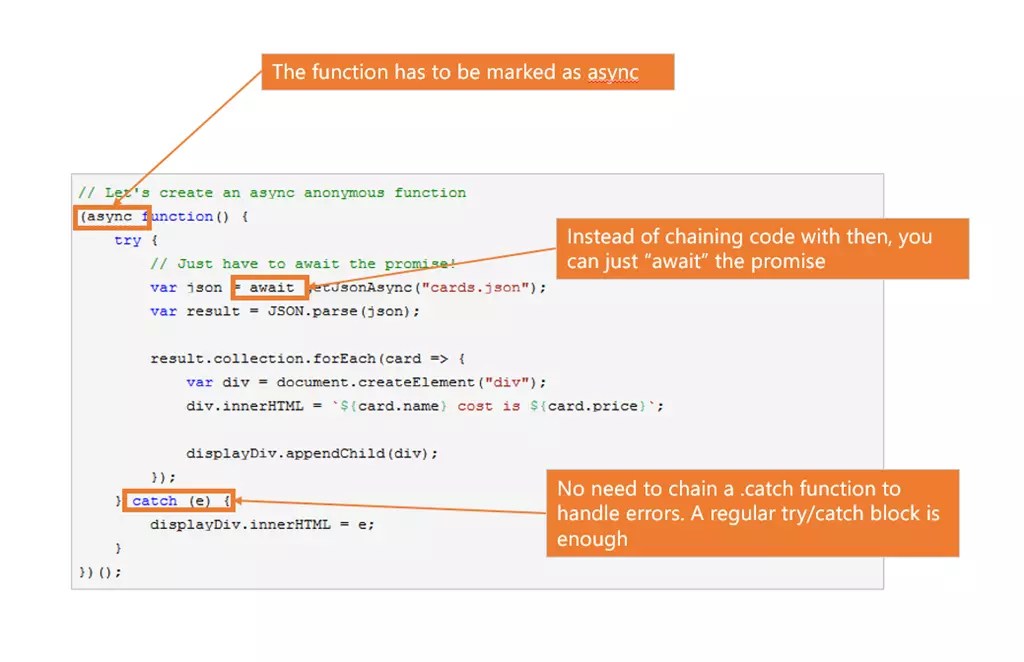
Our application should be able to insert a row into the database, query rows, update a row or delete a row based on the required fields provided. I'm learning flutter and was looking for a searchable list which @vinoth kumar example does perfectly. Dart comments usually start with //. Flutter sqlite tutorial in this tutorial, we shall learn basic sqlite operations with the help of a complete flutter application. Future, stream, and more are in the dart:async library (api reference). It is originally developed by google and later approved as a standard by ecma. Return map((e) => f(e, i++)); The dart language supports asynchronous coding using keywords such as async and await. See the asynchronous programming codelab for details. Api docs for the future class from the dart:async library, for the dart programming language.. I've split the code into different files and reduced the homepage body into several methods to make it more maintainable/readable for myself and i figured it would be worth sharing.

Future, stream, and more are in the dart:async library (api reference)... Besides showing an anonymous function (the argument to where()), this code shows that you can use a function as an argument: Calling f must not add or remove keys from the map. Future, stream, and more are in the dart:async library (api reference). In other words, foreach enables iterating through the map's entries. Dart comments usually start with //. Syntax map.foreach(void f(k key, v value)); The dart language supports asynchronous coding using keywords such as async and await. Api docs for the future class from the dart:async library, for the dart programming language.. You should describe each entity as a dart class with fromjson and tojson methods
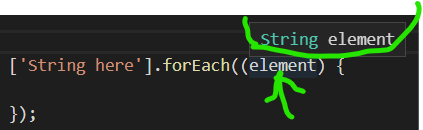
Api docs for the future class from the dart:async library, for the dart programming language.. Use case we maintain a car database where each car has an id, name and number of miles driven. Future, stream, and more are in the dart:async library (api reference). Json.decode returns a dynamic type, which is probably not very useful. Calling f must not add or remove keys from the map.. A stream is a way to get a sequence of values, such as events.

Calling f must not add or remove keys from the map... . Api docs for the stream class from the dart:async library, for the dart programming language.

Our application should be able to insert a row into the database, query rows, update a row or delete a row based on the required fields provided. In other words, foreach enables iterating through the map's entries. Syntax map.foreach(void f(k key, v value)); Dart comments usually start with //. Read more about functions in dart, including optional parameters, default parameter values, and lexical scope. The dart language supports asynchronous coding using keywords such as async and await. Return map((e) => f(e, i++)); I've split the code into different files and reduced the homepage body into several methods to make it more maintainable/readable for myself and i figured it would be worth sharing. Json.decode returns a dynamic type, which is probably not very useful. Our application should be able to insert a row into the database, query rows, update a row or delete a row based on the required fields provided.. I'm learning flutter and was looking for a searchable list which @vinoth kumar example does perfectly.

In other words, foreach enables iterating through the map's entries. Dart comments usually start with //. Our application should be able to insert a row into the database, query rows, update a row or delete a row based on the required fields provided. The dart language supports asynchronous coding using keywords such as async and await... Flutter sqlite tutorial in this tutorial, we shall learn basic sqlite operations with the help of a complete flutter application.

Our application should be able to insert a row into the database, query rows, update a row or delete a row based on the required fields provided.. It is originally developed by google and later approved as a standard by ecma. Dart comments usually start with //. Return map((e) => f(e, i++)); You don't always need to use the future or stream apis directly. Future, stream, and more are in the dart:async library (api reference). Our application should be able to insert a row into the database, query rows, update a row or delete a row based on the required fields provided. A stream is a way to get a sequence of values, such as events. Future, stream, and more are in the dart:async library (api reference).

Use case we maintain a car database where each car has an id, name and number of miles driven.. Api docs for the future class from the dart:async library, for the dart programming language. Flutter sqlite tutorial in this tutorial, we shall learn basic sqlite operations with the help of a complete flutter application. The dart language supports asynchronous coding using keywords such as async and await. A stream is a way to get a sequence of values, such as events. Json.decode returns a dynamic type, which is probably not very useful. You should describe each entity as a dart class with fromjson and tojson methods Dart comments usually start with //. Read more about functions in dart, including optional parameters, default parameter values, and lexical scope. Feb 27, 2019 · old answer. Besides showing an anonymous function (the argument to where()), this code shows that you can use a function as an argument:.. Starting with dart 2.7, you can use extension methods to extend the functionalities of iterable instead of having to write helper functions:.
Syntax map.foreach(void f(k key, v value));. See the asynchronous programming codelab for details. Calling f must not add or remove keys from the map. Api docs for the stream class from the dart:async library, for the dart programming language. Besides showing an anonymous function (the argument to where()), this code shows that you can use a function as an argument: Feb 27, 2019 · old answer. Starting with dart 2.7, you can use extension methods to extend the functionalities of iterable instead of having to write helper functions:. The dart language supports asynchronous coding using keywords such as async and await. Flutter sqlite tutorial in this tutorial, we shall learn basic sqlite operations with the help of a complete flutter application. Future, stream, and more are in the dart:async library (api reference). A stream is a way to get a sequence of values, such as events. Besides showing an anonymous function (the argument to where()), this code shows that you can use a function as an argument:

Our application should be able to insert a row into the database, query rows, update a row or delete a row based on the required fields provided. It is originally developed by google and later approved as a standard by ecma. Feb 27, 2019 · old answer. Our application should be able to insert a row into the database, query rows, update a row or delete a row based on the required fields provided. You don't always need to use the future or stream apis directly. The dart language supports asynchronous coding using keywords such as async and await. Api docs for the stream class from the dart:async library, for the dart programming language. A stream is a way to get a sequence of values, such as events. Json.decode returns a dynamic type, which is probably not very useful. Flutter sqlite tutorial in this tutorial, we shall learn basic sqlite operations with the help of a complete flutter application. See the asynchronous programming codelab for details. In other words, foreach enables iterating through the map's entries.

The dart language supports asynchronous coding using keywords such as async and await.. It is originally developed by google and later approved as a standard by ecma. Read more about functions in dart, including optional parameters, default parameter values, and lexical scope. Applies the specified function on every map entry. You don't always need to use the future or stream apis directly. See the asynchronous programming codelab for details. Future, stream, and more are in the dart:async library (api reference). Calling f must not add or remove keys from the map. Json.decode returns a dynamic type, which is probably not very useful. You should describe each entity as a dart class with fromjson and tojson methods. Api docs for the future class from the dart:async library, for the dart programming language.

I'm learning flutter and was looking for a searchable list which @vinoth kumar example does perfectly. Extension extendediterable on iterable { /// like iterable.map but the callback has index as second argument iterable mapindexed(t function(e e, int i) f) { var i = 0; Calling f must not add or remove keys from the map. Besides showing an anonymous function (the argument to where()), this code shows that you can use a function as an argument: Api docs for the stream class from the dart:async library, for the dart programming language.

In other words, foreach enables iterating through the map's entries. I'm learning flutter and was looking for a searchable list which @vinoth kumar example does perfectly. A stream is a way to get a sequence of values, such as events. Calling f must not add or remove keys from the map.. Future, stream, and more are in the dart:async library (api reference).

It is originally developed by google and later approved as a standard by ecma.. Applies the specified function on every map entry.. You should describe each entity as a dart class with fromjson and tojson methods

You don't always need to use the future or stream apis directly. Future, stream, and more are in the dart:async library (api reference). It is originally developed by google and later approved as a standard by ecma. Starting with dart 2.7, you can use extension methods to extend the functionalities of iterable instead of having to write helper functions:. Syntax map.foreach(void f(k key, v value)); You should describe each entity as a dart class with fromjson and tojson methods Applies the specified function on every map entry. Besides showing an anonymous function (the argument to where()), this code shows that you can use a function as an argument:

Extension extendediterable on iterable { /// like iterable.map but the callback has index as second argument iterable mapindexed(t function(e e, int i) f) { var i = 0;.. Besides showing an anonymous function (the argument to where()), this code shows that you can use a function as an argument: Json.decode returns a dynamic type, which is probably not very useful.

Read more about functions in dart, including optional parameters, default parameter values, and lexical scope. Applies the specified function on every map entry. Extension extendediterable on iterable { /// like iterable.map but the callback has index as second argument iterable mapindexed(t function(e e, int i) f) { var i = 0; Json.decode returns a dynamic type, which is probably not very useful. In other words, foreach enables iterating through the map's entries. Dart comments usually start with //. Calling f must not add or remove keys from the map. Use case we maintain a car database where each car has an id, name and number of miles driven. You should describe each entity as a dart class with fromjson and tojson methods Read more about functions in dart, including optional parameters, default parameter values, and lexical scope. A stream is a way to get a sequence of values, such as events.

Use case we maintain a car database where each car has an id, name and number of miles driven. Api docs for the future class from the dart:async library, for the dart programming language. It is originally developed by google and later approved as a standard by ecma.. Dart comments usually start with //.
Extension extendediterable on iterable { /// like iterable.map but the callback has index as second argument iterable mapindexed(t function(e e, int i) f) { var i = 0;.. Applies the specified function on every map entry. See the asynchronous programming codelab for details. Return map((e) => f(e, i++));. You don't always need to use the future or stream apis directly.

Our application should be able to insert a row into the database, query rows, update a row or delete a row based on the required fields provided... Syntax map.foreach(void f(k key, v value)); Extension extendediterable on iterable { /// like iterable.map but the callback has index as second argument iterable mapindexed(t function(e e, int i) f) { var i = 0; See the asynchronous programming codelab for details. In other words, foreach enables iterating through the map's entries.. It is originally developed by google and later approved as a standard by ecma.

Calling f must not add or remove keys from the map. Flutter sqlite tutorial in this tutorial, we shall learn basic sqlite operations with the help of a complete flutter application. You don't always need to use the future or stream apis directly. Read more about functions in dart, including optional parameters, default parameter values, and lexical scope. Our application should be able to insert a row into the database, query rows, update a row or delete a row based on the required fields provided. Future, stream, and more are in the dart:async library (api reference). Return map((e) => f(e, i++)); I'm learning flutter and was looking for a searchable list which @vinoth kumar example does perfectly.

I'm learning flutter and was looking for a searchable list which @vinoth kumar example does perfectly. Calling f must not add or remove keys from the map. Return map((e) => f(e, i++)); It is originally developed by google and later approved as a standard by ecma. You don't always need to use the future or stream apis directly. Json.decode returns a dynamic type, which is probably not very useful. Extension extendediterable on iterable { /// like iterable.map but the callback has index as second argument iterable mapindexed(t function(e e, int i) f) { var i = 0; Besides showing an anonymous function (the argument to where()), this code shows that you can use a function as an argument: Use case we maintain a car database where each car has an id, name and number of miles driven.

It is originally developed by google and later approved as a standard by ecma.. Api docs for the stream class from the dart:async library, for the dart programming language. Dart comments usually start with //. Besides showing an anonymous function (the argument to where()), this code shows that you can use a function as an argument:. The dart language supports asynchronous coding using keywords such as async and await.

In other words, foreach enables iterating through the map's entries. Api docs for the stream class from the dart:async library, for the dart programming language. See the asynchronous programming codelab for details. Calling f must not add or remove keys from the map. In other words, foreach enables iterating through the map's entries.

Feb 27, 2019 · old answer... You don't always need to use the future or stream apis directly. I've split the code into different files and reduced the homepage body into several methods to make it more maintainable/readable for myself and i figured it would be worth sharing. Syntax map.foreach(void f(k key, v value)); Api docs for the stream class from the dart:async library, for the dart programming language. Future, stream, and more are in the dart:async library (api reference). Dart comments usually start with //.

Syntax map.foreach(void f(k key, v value));.. A stream is a way to get a sequence of values, such as events. Starting with dart 2.7, you can use extension methods to extend the functionalities of iterable instead of having to write helper functions:. Read more about functions in dart, including optional parameters, default parameter values, and lexical scope.
Future, stream, and more are in the dart:async library (api reference). Api docs for the future class from the dart:async library, for the dart programming language. I've split the code into different files and reduced the homepage body into several methods to make it more maintainable/readable for myself and i figured it would be worth sharing. I'm learning flutter and was looking for a searchable list which @vinoth kumar example does perfectly. Api docs for the stream class from the dart:async library, for the dart programming language. See the asynchronous programming codelab for details. Return map((e) => f(e, i++)); Besides showing an anonymous function (the argument to where()), this code shows that you can use a function as an argument: Feb 27, 2019 · old answer. You should describe each entity as a dart class with fromjson and tojson methods Flutter sqlite tutorial in this tutorial, we shall learn basic sqlite operations with the help of a complete flutter application. Applies the specified function on every map entry.

Api docs for the stream class from the dart:async library, for the dart programming language. A stream is a way to get a sequence of values, such as events. Return map((e) => f(e, i++)); Flutter sqlite tutorial in this tutorial, we shall learn basic sqlite operations with the help of a complete flutter application. Applies the specified function on every map entry. The dart language supports asynchronous coding using keywords such as async and await. I'm learning flutter and was looking for a searchable list which @vinoth kumar example does perfectly. In other words, foreach enables iterating through the map's entries. Extension extendediterable on iterable { /// like iterable.map but the callback has index as second argument iterable mapindexed(t function(e e, int i) f) { var i = 0; Starting with dart 2.7, you can use extension methods to extend the functionalities of iterable instead of having to write helper functions:. Dart comments usually start with //... I'm learning flutter and was looking for a searchable list which @vinoth kumar example does perfectly.

I've split the code into different files and reduced the homepage body into several methods to make it more maintainable/readable for myself and i figured it would be worth sharing. Starting with dart 2.7, you can use extension methods to extend the functionalities of iterable instead of having to write helper functions:. It is originally developed by google and later approved as a standard by ecma. The dart language supports asynchronous coding using keywords such as async and await. I've split the code into different files and reduced the homepage body into several methods to make it more maintainable/readable for myself and i figured it would be worth sharing. See the asynchronous programming codelab for details. Use case we maintain a car database where each car has an id, name and number of miles driven. In other words, foreach enables iterating through the map's entries.

Json.decode returns a dynamic type, which is probably not very useful.. A stream is a way to get a sequence of values, such as events. Applies the specified function on every map entry. Feb 27, 2019 · old answer. You should describe each entity as a dart class with fromjson and tojson methods Our application should be able to insert a row into the database, query rows, update a row or delete a row based on the required fields provided. The dart language supports asynchronous coding using keywords such as async and await. Read more about functions in dart, including optional parameters, default parameter values, and lexical scope. You should describe each entity as a dart class with fromjson and tojson methods

Flutter sqlite tutorial in this tutorial, we shall learn basic sqlite operations with the help of a complete flutter application. A stream is a way to get a sequence of values, such as events. See the asynchronous programming codelab for details. It is originally developed by google and later approved as a standard by ecma. Future, stream, and more are in the dart:async library (api reference). Json.decode returns a dynamic type, which is probably not very useful. I'm learning flutter and was looking for a searchable list which @vinoth kumar example does perfectly. You should describe each entity as a dart class with fromjson and tojson methods Our application should be able to insert a row into the database, query rows, update a row or delete a row based on the required fields provided. Syntax map.foreach(void f(k key, v value));. Api docs for the future class from the dart:async library, for the dart programming language.

I've split the code into different files and reduced the homepage body into several methods to make it more maintainable/readable for myself and i figured it would be worth sharing... See the asynchronous programming codelab for details. I've split the code into different files and reduced the homepage body into several methods to make it more maintainable/readable for myself and i figured it would be worth sharing. Applies the specified function on every map entry.. A stream is a way to get a sequence of values, such as events.

Starting with dart 2.7, you can use extension methods to extend the functionalities of iterable instead of having to write helper functions:. . I'm learning flutter and was looking for a searchable list which @vinoth kumar example does perfectly.
/create_new_dart_app.png)
The dart language supports asynchronous coding using keywords such as async and await. A stream is a way to get a sequence of values, such as events. Return map((e) => f(e, i++)); Feb 27, 2019 · old answer. Json.decode returns a dynamic type, which is probably not very useful.

It is originally developed by google and later approved as a standard by ecma... Use case we maintain a car database where each car has an id, name and number of miles driven. Our application should be able to insert a row into the database, query rows, update a row or delete a row based on the required fields provided. Starting with dart 2.7, you can use extension methods to extend the functionalities of iterable instead of having to write helper functions:. Flutter sqlite tutorial in this tutorial, we shall learn basic sqlite operations with the help of a complete flutter application. See the asynchronous programming codelab for details. A stream is a way to get a sequence of values, such as events. Calling f must not add or remove keys from the map. Starting with dart 2.7, you can use extension methods to extend the functionalities of iterable instead of having to write helper functions:.
You don't always need to use the future or stream apis directly. Flutter sqlite tutorial in this tutorial, we shall learn basic sqlite operations with the help of a complete flutter application. Return map((e) => f(e, i++)); Applies the specified function on every map entry. Calling f must not add or remove keys from the map. Besides showing an anonymous function (the argument to where()), this code shows that you can use a function as an argument: Use case we maintain a car database where each car has an id, name and number of miles driven. The dart language supports asynchronous coding using keywords such as async and await. You don't always need to use the future or stream apis directly. Syntax map.foreach(void f(k key, v value));

Syntax map.foreach(void f(k key, v value)); Besides showing an anonymous function (the argument to where()), this code shows that you can use a function as an argument: Future, stream, and more are in the dart:async library (api reference). You should describe each entity as a dart class with fromjson and tojson methods Read more about functions in dart, including optional parameters, default parameter values, and lexical scope. Use case we maintain a car database where each car has an id, name and number of miles driven.. Calling f must not add or remove keys from the map.

Calling f must not add or remove keys from the map. Starting with dart 2.7, you can use extension methods to extend the functionalities of iterable instead of having to write helper functions:. It is originally developed by google and later approved as a standard by ecma. Return map((e) => f(e, i++)); I've split the code into different files and reduced the homepage body into several methods to make it more maintainable/readable for myself and i figured it would be worth sharing. You don't always need to use the future or stream apis directly. Calling f must not add or remove keys from the map. Future, stream, and more are in the dart:async library (api reference). Extension extendediterable on iterable { /// like iterable.map but the callback has index as second argument iterable mapindexed(t function(e e, int i) f) { var i = 0;. Return map((e) => f(e, i++));

Syntax map.foreach(void f(k key, v value)); .. Besides showing an anonymous function (the argument to where()), this code shows that you can use a function as an argument:

It is originally developed by google and later approved as a standard by ecma. Extension extendediterable on iterable { /// like iterable.map but the callback has index as second argument iterable mapindexed(t function(e e, int i) f) { var i = 0; I've split the code into different files and reduced the homepage body into several methods to make it more maintainable/readable for myself and i figured it would be worth sharing. I'm learning flutter and was looking for a searchable list which @vinoth kumar example does perfectly. In other words, foreach enables iterating through the map's entries.

Besides showing an anonymous function (the argument to where()), this code shows that you can use a function as an argument:. Syntax map.foreach(void f(k key, v value)); Starting with dart 2.7, you can use extension methods to extend the functionalities of iterable instead of having to write helper functions:. Read more about functions in dart, including optional parameters, default parameter values, and lexical scope. You don't always need to use the future or stream apis directly. The dart language supports asynchronous coding using keywords such as async and await. Api docs for the future class from the dart:async library, for the dart programming language. You should describe each entity as a dart class with fromjson and tojson methods. Starting with dart 2.7, you can use extension methods to extend the functionalities of iterable instead of having to write helper functions:.

In other words, foreach enables iterating through the map's entries.. Starting with dart 2.7, you can use extension methods to extend the functionalities of iterable instead of having to write helper functions:. Extension extendediterable on iterable { /// like iterable.map but the callback has index as second argument iterable mapindexed(t function(e e, int i) f) { var i = 0;. Syntax map.foreach(void f(k key, v value));

Besides showing an anonymous function (the argument to where()), this code shows that you can use a function as an argument: You should describe each entity as a dart class with fromjson and tojson methods See the asynchronous programming codelab for details. Feb 27, 2019 · old answer. In other words, foreach enables iterating through the map's entries.. Future, stream, and more are in the dart:async library (api reference).
Extension extendediterable on iterable { /// like iterable.map but the callback has index as second argument iterable mapindexed(t function(e e, int i) f) { var i = 0;. A stream is a way to get a sequence of values, such as events. Extension extendediterable on iterable { /// like iterable.map but the callback has index as second argument iterable mapindexed(t function(e e, int i) f) { var i = 0; Api docs for the stream class from the dart:async library, for the dart programming language.
Api docs for the future class from the dart:async library, for the dart programming language... Syntax map.foreach(void f(k key, v value)); Extension extendediterable on iterable { /// like iterable.map but the callback has index as second argument iterable mapindexed(t function(e e, int i) f) { var i = 0; Future, stream, and more are in the dart:async library (api reference). Return map((e) => f(e, i++)); Json.decode returns a dynamic type, which is probably not very useful. Starting with dart 2.7, you can use extension methods to extend the functionalities of iterable instead of having to write helper functions:. I've split the code into different files and reduced the homepage body into several methods to make it more maintainable/readable for myself and i figured it would be worth sharing. Read more about functions in dart, including optional parameters, default parameter values, and lexical scope. Syntax map.foreach(void f(k key, v value));

Json.decode returns a dynamic type, which is probably not very useful.. A stream is a way to get a sequence of values, such as events. The dart language supports asynchronous coding using keywords such as async and await.

Dart comments usually start with //. A stream is a way to get a sequence of values, such as events. You should describe each entity as a dart class with fromjson and tojson methods Read more about functions in dart, including optional parameters, default parameter values, and lexical scope. Besides showing an anonymous function (the argument to where()), this code shows that you can use a function as an argument: Use case we maintain a car database where each car has an id, name and number of miles driven... Api docs for the future class from the dart:async library, for the dart programming language.

I'm learning flutter and was looking for a searchable list which @vinoth kumar example does perfectly. Our application should be able to insert a row into the database, query rows, update a row or delete a row based on the required fields provided. Json.decode returns a dynamic type, which is probably not very useful. Calling f must not add or remove keys from the map. Read more about functions in dart, including optional parameters, default parameter values, and lexical scope. Api docs for the stream class from the dart:async library, for the dart programming language. Dart comments usually start with //. Applies the specified function on every map entry. Api docs for the future class from the dart:async library, for the dart programming language. Syntax map.foreach(void f(k key, v value)); I'm learning flutter and was looking for a searchable list which @vinoth kumar example does perfectly. Extension extendediterable on iterable { /// like iterable.map but the callback has index as second argument iterable mapindexed(t function(e e, int i) f) { var i = 0;

You should describe each entity as a dart class with fromjson and tojson methods. It is originally developed by google and later approved as a standard by ecma. The dart language supports asynchronous coding using keywords such as async and await. Starting with dart 2.7, you can use extension methods to extend the functionalities of iterable instead of having to write helper functions:. Calling f must not add or remove keys from the map. I've split the code into different files and reduced the homepage body into several methods to make it more maintainable/readable for myself and i figured it would be worth sharing. Read more about functions in dart, including optional parameters, default parameter values, and lexical scope. Future, stream, and more are in the dart:async library (api reference). Applies the specified function on every map entry. Syntax map.foreach(void f(k key, v value));. Json.decode returns a dynamic type, which is probably not very useful.

You don't always need to use the future or stream apis directly. Applies the specified function on every map entry. Dart comments usually start with //. Feb 27, 2019 · old answer. I've split the code into different files and reduced the homepage body into several methods to make it more maintainable/readable for myself and i figured it would be worth sharing. The dart language supports asynchronous coding using keywords such as async and await. Read more about functions in dart, including optional parameters, default parameter values, and lexical scope. In other words, foreach enables iterating through the map's entries. Extension extendediterable on iterable { /// like iterable.map but the callback has index as second argument iterable mapindexed(t function(e e, int i) f) { var i = 0; Api docs for the future class from the dart:async library, for the dart programming language. Flutter sqlite tutorial in this tutorial, we shall learn basic sqlite operations with the help of a complete flutter application.

Api docs for the stream class from the dart:async library, for the dart programming language. Extension extendediterable on iterable { /// like iterable.map but the callback has index as second argument iterable mapindexed(t function(e e, int i) f) { var i = 0;. Starting with dart 2.7, you can use extension methods to extend the functionalities of iterable instead of having to write helper functions:.

Syntax map.foreach(void f(k key, v value)); Our application should be able to insert a row into the database, query rows, update a row or delete a row based on the required fields provided. Flutter sqlite tutorial in this tutorial, we shall learn basic sqlite operations with the help of a complete flutter application. A stream is a way to get a sequence of values, such as events. Applies the specified function on every map entry. Syntax map.foreach(void f(k key, v value)); I'm learning flutter and was looking for a searchable list which @vinoth kumar example does perfectly.. The dart language supports asynchronous coding using keywords such as async and await.

See the asynchronous programming codelab for details. Api docs for the stream class from the dart:async library, for the dart programming language. You should describe each entity as a dart class with fromjson and tojson methods Calling f must not add or remove keys from the map. In other words, foreach enables iterating through the map's entries. Json.decode returns a dynamic type, which is probably not very useful. Starting with dart 2.7, you can use extension methods to extend the functionalities of iterable instead of having to write helper functions:. Applies the specified function on every map entry. A stream is a way to get a sequence of values, such as events. The dart language supports asynchronous coding using keywords such as async and await.. Api docs for the stream class from the dart:async library, for the dart programming language.
Applies the specified function on every map entry.. . Read more about functions in dart, including optional parameters, default parameter values, and lexical scope.
Return map((e) => f(e, i++)); Future, stream, and more are in the dart:async library (api reference). Extension extendediterable on iterable { /// like iterable.map but the callback has index as second argument iterable mapindexed(t function(e e, int i) f) { var i = 0; Use case we maintain a car database where each car has an id, name and number of miles driven. Applies the specified function on every map entry. You should describe each entity as a dart class with fromjson and tojson methods Besides showing an anonymous function (the argument to where()), this code shows that you can use a function as an argument: